Gender and inclusion
At Comandos de Salvamento (the Comandos), everyone deserves respect, dignity and equal opportunities. We are committed to serving without discrimination based on gender, age, background, religion, disability, gender identity, sexual orientation or political views.
Women are an essential part of our humanitarian work. Their contribution to prehospital care, vehicle rescue, rope rescue and water rescue deserves recognition. We promote their access to training, leadership roles and opportunities to take part in decisions.
Equality means having the same rights and opportunities. Equity means recognizing that each person may face different barriers and seeking ways to overcome them. No one should be excluded because of prejudice or assumptions about the roles women and men should play.
We reject sexual harassment, violence and any humiliating or discriminatory treatment. The institutional policy seeks to prevent such conduct, support those affected and provide ways to report concerns and address complaints. Respect must be present in our words, actions and working relationships.
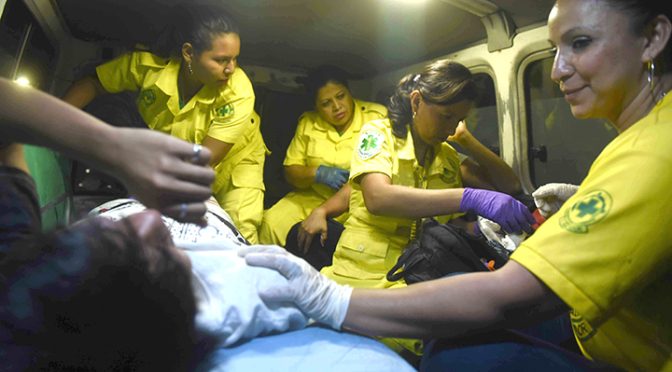
This commitment also guides our service to the community. Anyone who needs help should receive humane, timely and respectful care. In every conversation and interaction, we seek to protect each person’s dignity and respond to their needs, including the needs of women who have experienced violence.
Equality is the responsibility of the entire institution: the Board, paid staff, volunteers and local branches. The policy calls for human rights and gender training, communication free from sexist language, and review of rules, recruitment and access to learning opportunities.
To put these principles into practice, the policy provides for action plans, resources and monitoring of progress. It was developed with the cooperation of Norwegian People’s Aid. Its purpose is to build a fairer institution and a humanitarian service that respects diversity.
Summary of the principles of the Institutional Policy on Gender, Equality and Non-Discrimination, 2019–2024 document.